 ID
ID
 EN
EN

Most companies invest heavily in improving their own ESG performance, Occupational Safety and Health (OSH), and sustainability programmes. They develop policies, establish governance systems, publish sustainability reports, and strengthen internal compliance. Yet one critical question often remains unanswered:
Are their suppliers and contractors ready to meet the same standards?
For many organisations, the greatest ESG, labour, and operational risks no longer originate within their own facilities, they exist across their supply chains. A contractor with weak safety practices, a supplier with poor labour standards, or a subcontractor lacking environmental controls can expose a company to operational disruption, reputational damage, regulatory scrutiny, and commercial risk. In today's interconnected economy, a company's reputation is increasingly defined not only by what it does, but also by the practices of those it chooses to do business with.
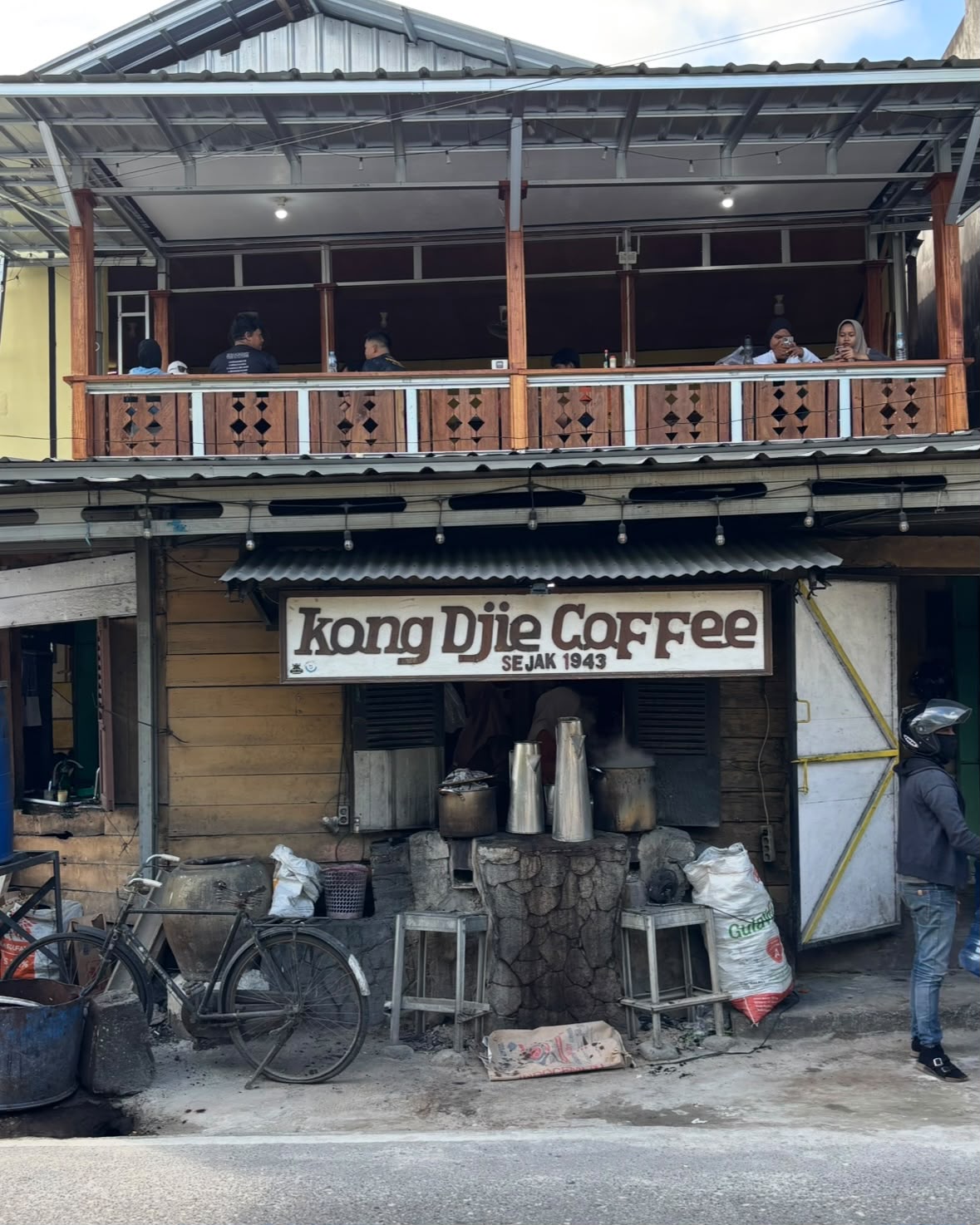
This challenge is particularly significant in Indonesia. More than 65 million Small and Medium-sized Enterprises (SMEs/UMKM) contribute over 60% of the national GDP and employ approximately 97% of the country's workforce. They provide construction services, logistics, engineering, manufacturing, maintenance, security, transportation, labour supply, catering, and countless other services that keep Indonesia's major industries operating. In reality, SMEs are not simply supporting businesses, they are the engine that drives Indonesia's supply chains.
At the same time, global expectations are changing rapidly. International frameworks such as the UN Guiding Principles on Business and Human Rights (UNGPs), the OECD Guidelines for Responsible Business Conduct, emerging Human Rights Due Diligence (HRDD) legislation, and growing ESG disclosure requirements are transforming how companies manage supplier relationships. Procurement decisions are increasingly influenced not only by cost and quality, but also by how suppliers protect workers, manage health and safety, minimise environmental impacts, and demonstrate responsible business practices.
For Indonesian companies, this is no longer merely a compliance issue. It has become a business imperative. Organisations that cannot demonstrate responsible supply chain management may face increasing pressure from investors, customers, regulators, lenders, certification schemes, and international business partners. Conversely, companies that develop capable, responsible suppliers are better positioned to strengthen resilience, improve operational performance, and remain competitive in global markets.
The challenge, however, is rarely one of commitment, it is one of capability. Most Indonesian SMEs possess strong technical expertise within their respective industries, yet many have had limited opportunities to build knowledge in Occupational Safety and Health, Responsible Business Conduct, Human Rights Due Diligence, labour compliance, environmental management, contractor governance, or modern slavery risk prevention. As a result, suppliers are often expected to satisfy increasingly sophisticated customer requirements without receiving the practical guidance, systems, or capacity building necessary to achieve them.
This is why leading companies around the world are changing their approach. Rather than relying solely on supplier audits to identify non-compliance, they are investing in supplier capability development. Through structured training, coaching, mentoring, and continuous improvement programmes, businesses are helping suppliers strengthen their own management systems, improve workplace safety, enhance labour practices, and integrate ESG principles into daily operations. Supplier development is increasingly recognised as one of the most effective ways to reduce supply chain risk while creating long-term business value for both buyers and suppliers.
Indonesia stands at a strategic moment. As the country strengthens its position in critical minerals, manufacturing, infrastructure, renewable energy, and other globally connected industries, the capability of local suppliers will become an increasingly important competitive advantage. Companies seeking to build resilient supply chains will need suppliers that are not only technically competent, but also capable of meeting international expectations on labour standards, occupational safety, environmental stewardship, and responsible business conduct.
At the Indonesian Centre for Labour and Occupational Safety and Health (ICLO), we believe that stronger supply chains begin with stronger suppliers. Our mission is to bridge the gap between global expectations and practical implementation by helping companies and SMEs build the capabilities needed to succeed in today's evolving business landscape. Through executive learning, supplier and contractor development programmes, advisory services, risk assessments, and practical training on Responsible Business Conduct, Occupational Safety and Health, Human Rights Due Diligence, ESG, labour compliance, and modern slavery prevention, ICLO works alongside organisations to transform responsible business principles into measurable business performance.
Building supplier capability is no longer a corporate social responsibility initiative, it is a strategic investment. Companies that invest in their suppliers today will be better prepared for tomorrow's regulatory expectations, investor scrutiny, customer requirements, and market opportunities. Responsible supply chains are built through partnership, continuous learning, and shared responsibility. By empowering Indonesian SMEs, companies are not only strengthening their own resilience, they are contributing to safer workplaces, more competitive industries, and a more sustainable Indonesian economy.
Because the future of responsible business is not determined by the strength of one company alone, but by the strength of every supplier within its supply chain